By: CHIM Linna
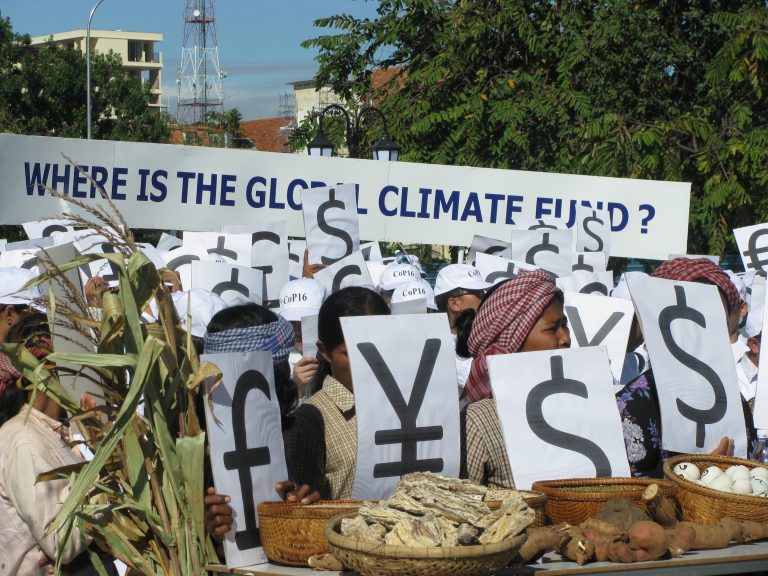
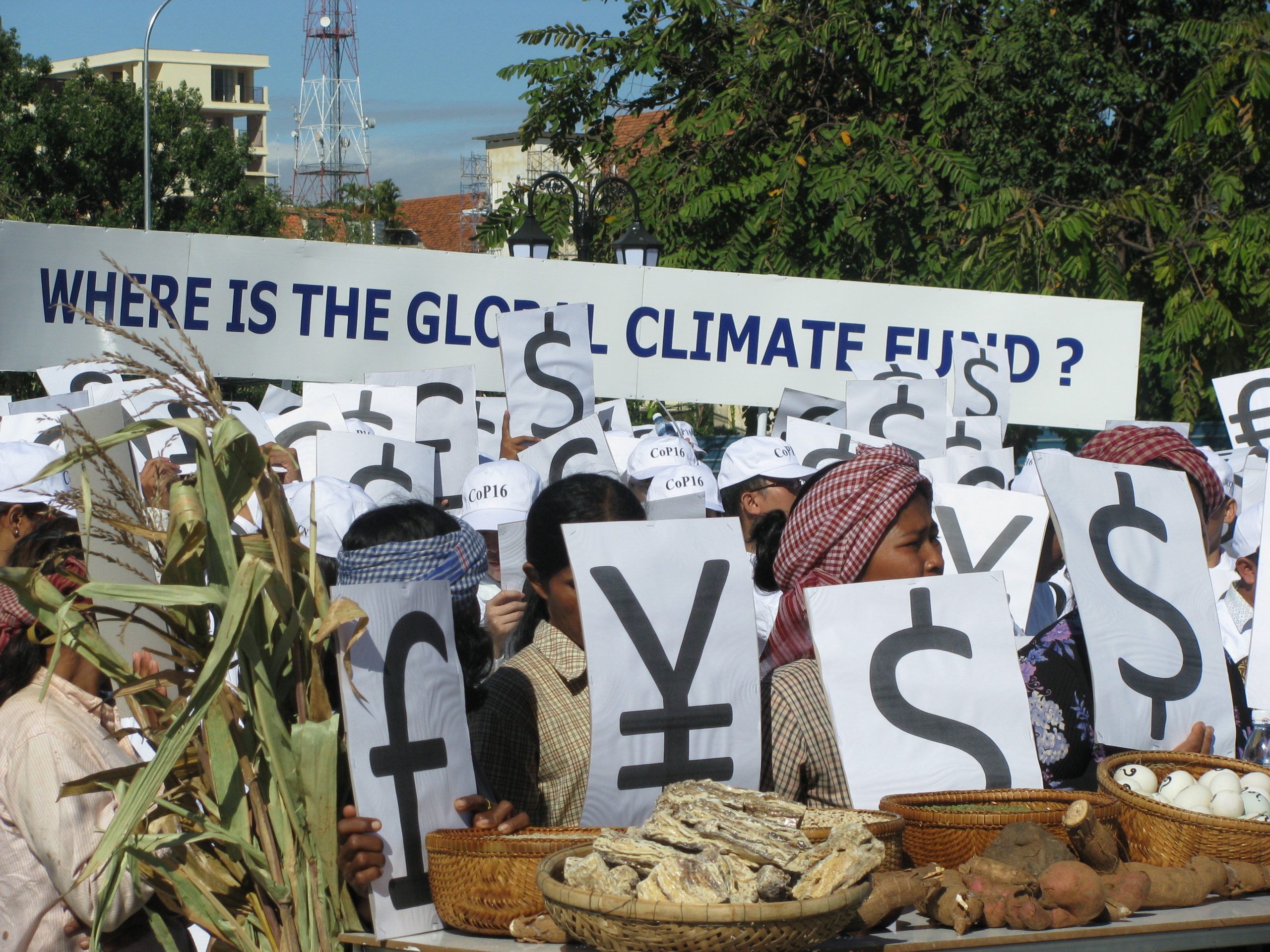
In the Copenhagen Accord of November 2009, affluent countries committed to transfer US $30 billion in fast-start financing to developing countries over three years (2010-2012) for immediate climate action.
To understand how these financial flows are managed and guided effectively, the prerequisite for making progress toward a comprehensive, fair, and effective post-Kyoto Agreement global climate accord must be met/presented successfully. Furthermore, trust and commitment among developing and developed countries in the ongoing UN climate negotiations are critical.
Where public money for climate change are used, national governments and global funding bodies (which receive contributions from developed countries) are required to administer the funds in a transparent and accountable manner.
Accountability also implies that wide stakeholder participation and representation should be guaranteed in the management of climate funds based on the principle of equity.
A transparent administration of public climate funding necessitates publicly accessible, accurate, and timely information about a mechanism's funding structure, financial statistics, board structure, decision-making process, and actual funding decisions.
Not only should nation governments be included in the fund management and decision-making framework, but also a diverse range of stakeholders such as civil society and climate change-affected groups and communities in recipient nations.
A guiding framework for climate finance incorporates a human rights approach, however the UN Framework Convention on Climate Change (UNFCC) is not formally addressed. Some climate finance ventures have dubious environmental benefits and may hinder sustainable development goals while also violating human rights. Such investments should be avoided when public funds are allocated to climate change. Investments in traditional fossil fuel exploration, huge hydro dams, and nuclear power generation are particularly concerning.
Supporting vulnerable groups should be prioritized, with capacity building, technologies, and finance resources accessible specifically for them. Women and men face various vulnerabilities to climate change due to gender roles and related rights (or lack thereof), as well as different capabilities to minimize emissions, adapt to, and cope with climate change impacts.
The Rio Declaration's Principle 15-the precautionary approach-has demonstrated that the lack of complete scientific knowledge on necessary adaptation and mitigation action should not be used to postpone or delay funding for potential climate action now.
Aside from deciding the amount of climate funds, the polluter pays principle will establish a legal duty for compensatory cash separate from aid flow. Climate financial financing should supplement existing official development aid (ODA) commitments and other pre-existing flows from developing nations to prevent diverting funds from development needs to climate change action. Climate aid should not impose an additional development burden on recipient nations.
In the Copenhagen Accord of November 2009, affluent countries committed to transfer US $30 billion in fast-start financing to developing countries over three years (2010-2012) for immediate climate action.
To understand how these financial flows are managed and guided effectively, the prerequisite for making progress toward a comprehensive, fair, and effective post-Kyoto Agreement global climate accord must be met/presented successfully. Furthermore, trust and commitment among developing and developed countries in the ongoing UN climate negotiations are critical.
Where public money for climate change are used, national governments and global funding bodies (which receive contributions from developed countries) are required to administer the funds in a transparent and accountable manner.
Accountability also implies that wide stakeholder participation and representation should be guaranteed in the management of climate funds based on the principle of equity.
A transparent administration of public climate funding necessitates publicly accessible, accurate, and timely information about a mechanism's funding structure, financial statistics, board structure, decision-making process, and actual funding decisions.
Not only should nation governments be included in the fund management and decision-making framework, but also a diverse range of stakeholders such as civil society and climate change-affected groups and communities in recipient nations.
A guiding framework for climate finance incorporates a human rights approach, however the UN Framework Convention on Climate Change (UNFCC) is not formally addressed. Some climate finance ventures have dubious environmental benefits and may hinder sustainable development goals while also violating human rights. Such investments should be avoided when public funds are allocated to climate change. Investments in traditional fossil fuel exploration, huge hydro dams, and nuclear power generation are particularly concerning.
Supporting vulnerable groups should be prioritized, with capacity building, technologies, and finance resources accessible specifically for them. Women and men face various vulnerabilities to climate change due to gender roles and related rights (or lack thereof), as well as different capabilities to minimize emissions, adapt to, and cope with climate change impacts.
The Rio Declaration's Principle 15-the precautionary approach-has demonstrated that the lack of complete scientific knowledge on necessary adaptation and mitigation action should not be used to postpone or delay funding for potential climate action now.
Aside from deciding the amount of climate funds, the polluter pays principle will establish a legal duty for compensatory cash separate from aid flow. Climate financial financing should supplement existing official development aid (ODA) commitments and other pre-existing flows from developing nations to prevent diverting funds from development needs to climate change action. Climate aid should not impose an additional development burden on recipient nations.